Why Routine Property Inspections Protect San Diego Rentals
Property inspections catch small problems before they become expensive repairs. They also give owners documented proof of a unit's condition at every stage of a tenancy. For San Diego landlords, that documentation matters more than ever given the compliance demands and turnover costs tied to today's rental market.
Many owners think of inspections as an afterthought, something to squeeze in once a year if time allows. That mindset is costly. A missed leak behind a wall or a worn water heater can get expensive fast. The damage often reaches thousands of dollars, and a frustrated tenant may decide not to renew.
Why November Is a Smart Time to Schedule Inspections
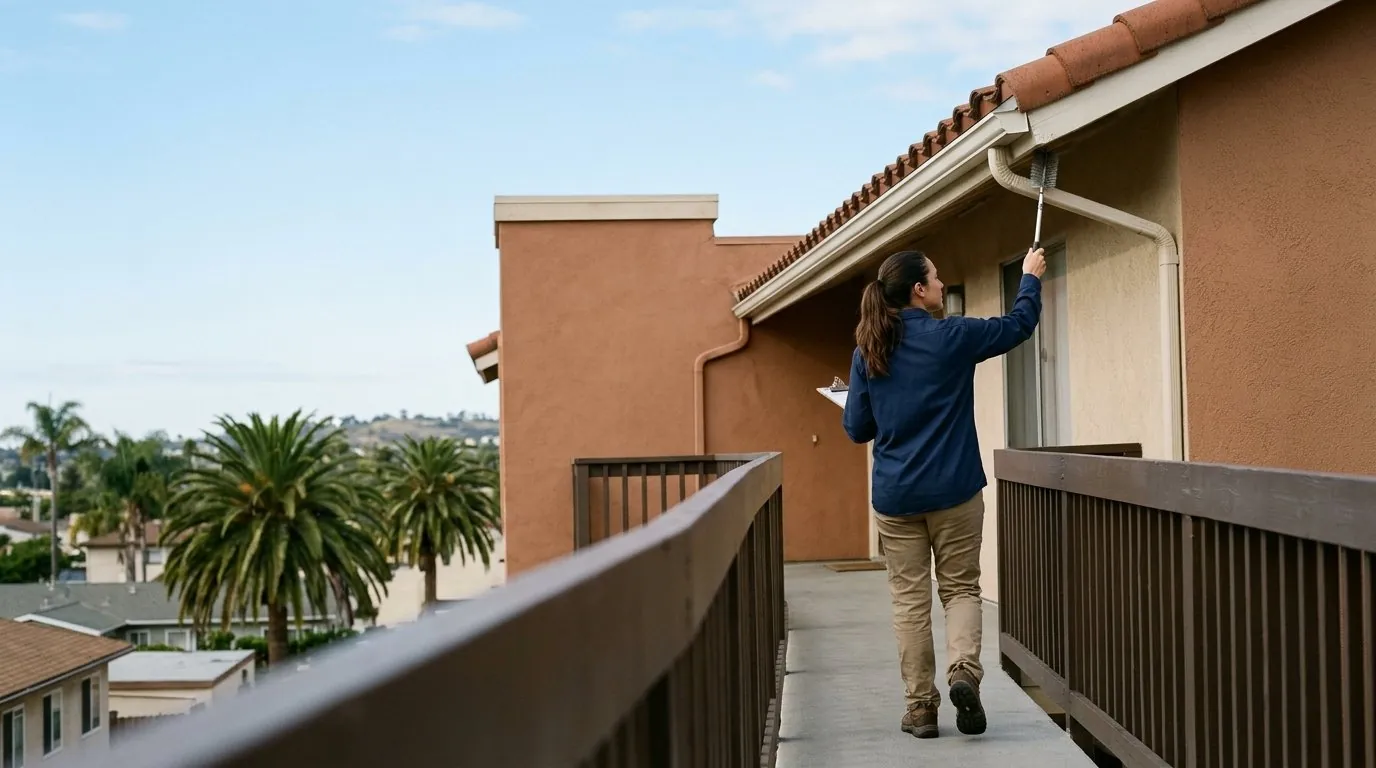
San Diego's mild fall weather makes November an ideal window for a seasonal walkthrough. Temperatures are comfortable, and the first rains of the wet season are usually still ahead. That gives owners a chance to check roofs, gutters, and drainage before storms arrive.
Coastal properties near Pacific Beach face added exposure to salt air and moisture, which can quietly corrode fixtures and weaken exterior finishes. Catching these issues now, rather than mid-storm in January, saves both money and stress.
The Real Cost of Skipping Property Inspections
Turnover is one of the biggest hidden expenses in rental property ownership. A single tenant turnover in San Diego can cost an owner between $3,500 and $6,500 or more. That total includes lost rent, make-ready repairs, cleaning, and re-leasing fees.
Much of that cost is preventable. Industry data consistently shows that responsive maintenance, which inspections help identify early, is one of the strongest factors in whether a tenant chooses to renew. Keeping good tenants in place is almost always cheaper than finding new ones.
Consider what routine inspections help owners avoid:
- Extended vacancy periods while a unit sits empty for repairs
- Emergency maintenance calls that cost more than scheduled fixes
- Tenant dissatisfaction that leads to non-renewal
- Disputes over damage that could have been documented earlier
What Thorough Property Inspections Should Cover
Not every walkthrough needs to be exhaustive, but a few areas deserve consistent attention. Owners and managers should look for:
- Plumbing fixtures, water heaters, and any signs of slow leaks
- HVAC performance, especially filters and airflow before winter use
- Smoke detectors, carbon monoxide alarms, and working locks
- Exterior drainage, gutters, and roof condition ahead of rain
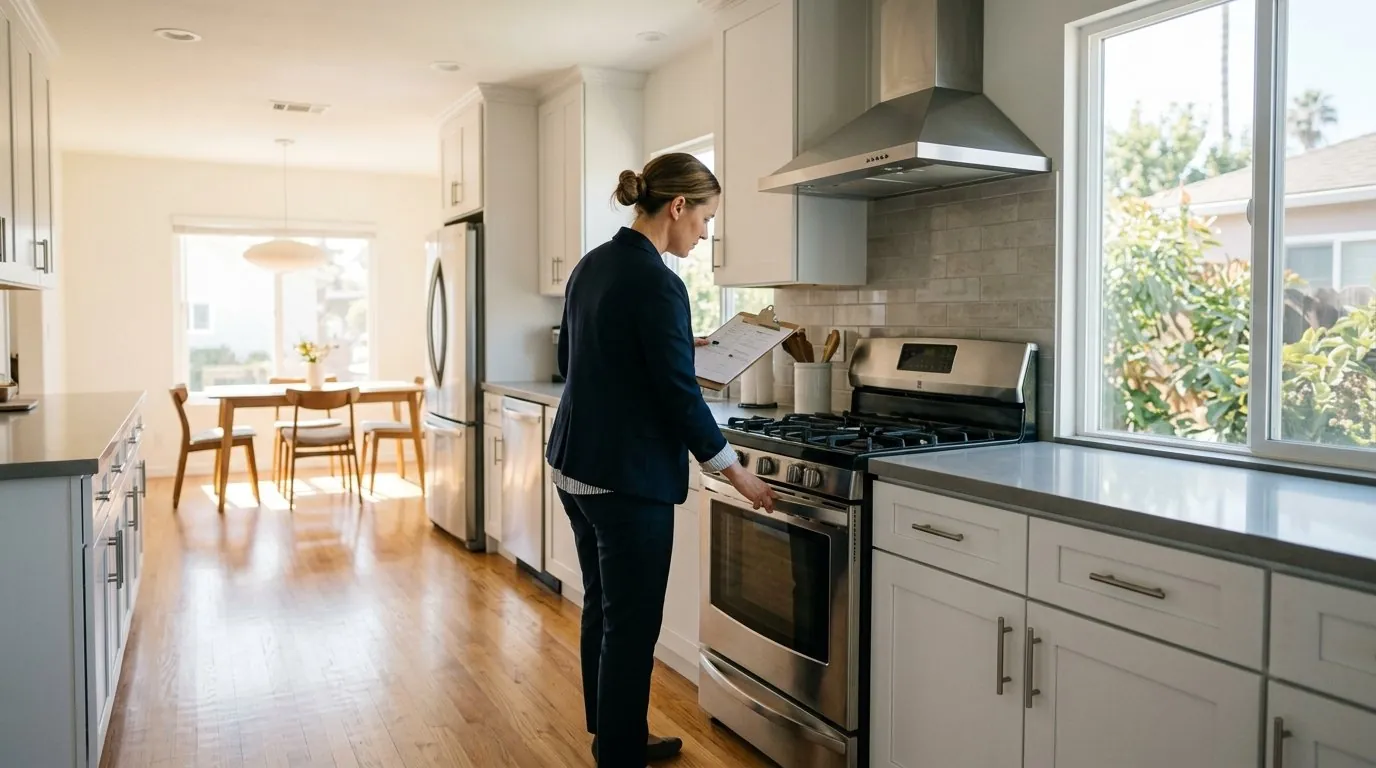
- Appliance function, since California's habitability standards require working stoves and refrigerators in every lease
A consistent inspection schedule also supports stronger property marketing when a unit does turn over, since well-maintained properties lease faster and photograph better for listings.
Property Inspections and California Compliance
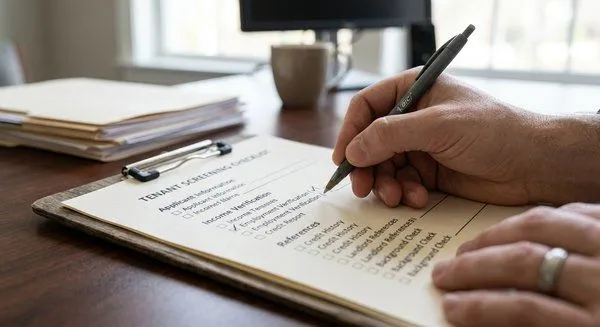
Inspections aren't just about maintenance anymore. California's AB 2801 now requires landlords to capture timestamped photos at move-in, move-out, and after any repairs tied to a security deposit. Without that documentation, deductions can be challenged or voided entirely.
Routine inspections make this requirement far easier to manage. Instead of scrambling for evidence during a deposit dispute, owners already have a running photo history showing the unit's condition over time. This same documentation habit supports lease terms required under the state's habitability rules, including working stoves and refrigerators in every unit.
How Professional Oversight Keeps Inspections Consistent
Staying on top of inspection schedules while also handling leasing, rent collection, and tenant requests is a lot for any owner to manage alone. Jeff Cairncross Property Management builds inspections into a broader system that also covers maintenance coordination, financial reporting, and legal compliance.
Clients consistently point to fast, attentive maintenance response as one of the things they value most. That responsiveness starts with knowing a property's condition before small issues grow. Want a fuller picture of how routine oversight supports long-term success? Our tips for successful rental property management in San Diego offer additional context.
Frequently Asked Questions
How often should a rental property be inspected in San Diego?
Most owners benefit from a seasonal schedule, with at least one thorough walkthrough before the rainy season and additional check-ins at move-in, move-out, and mid-lease.
Do tenants need to be notified before an inspection?
Yes, California law requires proper notice before entering an occupied unit for a routine inspection. Professional managers handle this scheduling and communication on the owner's behalf.
Can inspections help with security deposit disputes?
Absolutely. Photo documentation gathered during move-in, move-out, and after repairs directly supports the evidence required under California's deposit rules. This reduces the chance of a contested deduction.
What happens if an inspection reveals a major repair need?
A manager can coordinate maintenance quickly, often within 24 to 48 hours for urgent issues, which helps prevent further damage and keeps tenants satisfied.
Can routine property inspections help increase tenant retention?
Yes, routine property inspections can improve tenant retention by identifying maintenance issues before they become major problems. When tenants see that their concerns are addressed and their homes are well maintained, they are more likely to renew their leases. Regular inspections also help property owners maintain a comfortable and safe living environment.
If you'd like a clearer picture of your property's condition and a plan to protect its value year-round, we can help. Reach out to our team to discuss a routine inspection schedule built around your rental.
Posted in Uncategorized