San Diego Property Inspections Meet New Appliance Law
San Diego property inspections have quietly become one of the most important tools an owner has for staying compliant this year. That's because a new state law now treats stoves and refrigerators as legally required appliances, not optional extras. Owners who skip regular inspections risk finding out about a habitability problem the hard way, through a tenant complaint or a legal notice.
Why Appliance Rules Changed the Inspection Game
Assembly Bill 628 took effect at the start of 2026, redefining what counts as a "habitable" rental in California. Stoves and refrigerators are no longer nice-to-haves. They're now baseline requirements landlords must provide and keep in working order.
The law gives owners a strict 30-day window to repair or replace a broken or recalled appliance once notified. Miss that window, and a tenant has immediate legal grounds to file a habitability complaint. For San Diego owners juggling multiple units, that timeline leaves little room for guesswork.
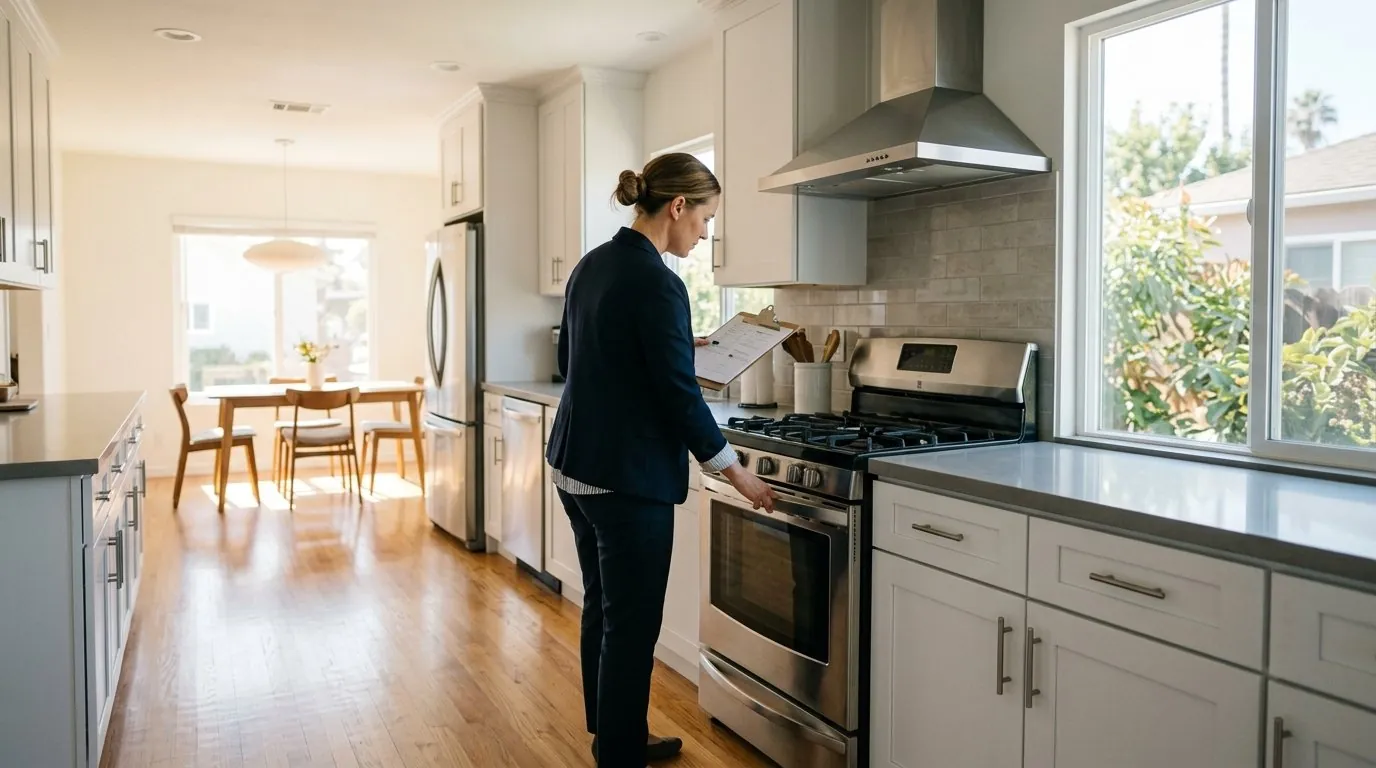
This is exactly where routine property inspections earn their keep. Catching a failing refrigerator compressor or a stove with a recalled part during a scheduled walkthrough is far cheaper than reacting to a formal complaint. It also protects the relationship with the tenant before frustration sets in.
What Modern San Diego Property Inspections Should Cover
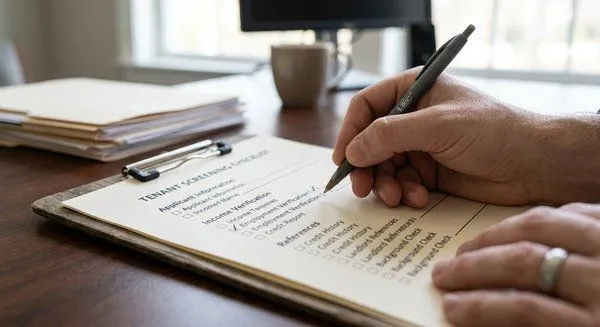
A thorough inspection today needs to go beyond checking smoke detectors and looking for leaks. Appliance condition now deserves its own line item on every checklist. Here's what owners and managers should be verifying at move-in and during periodic visits:
- Stove and oven function, including burner ignition and temperature accuracy
- Refrigerator cooling performance and door seal integrity
- Manufacturer recall status for both major appliances
- Age and expected remaining lifespan of each unit
- Documentation of appliance condition with dated photos for the tenant file
That last point matters more than owners often realize. If a dispute ever arises, a documented inspection record is the clearest way to show the appliance was working properly at handoff.
Vacancies Are Rising, Which Raises the Stakes
San Diego's rental market has shifted in favor of tenants. The area's apartment vacancy rate has climbed to a historic 6.2%, higher than the previous record set during the Great Recession. Some submarkets, like Downtown San Diego, have seen vacancy spike as high as 11.9%.
With so much competing inventory, tenants have more options and less patience for maintenance delays. A unit with a broken stove sitting unaddressed won't just violate the law; it will also struggle to compete for renters who can simply choose a better-kept building down the street. Consistent inspections help owners keep their properties desirable, not just legally sound.
How Professional Oversight Reduces Owner Risk
Staying on top of appliance condition across several properties is a genuine time burden for independent owners. Recall notices, repair timelines, and documentation requirements all pile up fast. Professional oversight turns this into a manageable, repeatable process instead of a scramble.
At Jeff Cairncross Property Management, move-in inspections and periodic walkthroughs are built to catch these issues early. Maintenance requests tied to appliance failures get routed quickly, keeping owners inside that 30-day compliance window. Tenants notice the difference too; several have specifically praised how promptly maintenance concerns get resolved and how well-kept their properties stay.
Owners searching for San Diego property inspections as part of a broader management strategy get more than a checklist. They get a documented, defensible record that protects them if a dispute ever reaches a legal stage.
Practical Steps Owners Can Take Now
October is a good time to get ahead of this before winter maintenance calls pick up. A few steps make a real difference:
- Schedule an inspection focused specifically on kitchen appliances before year-end.
- Cross-check appliance model numbers against current recall databases.
- Create or update a written maintenance log for each property.
- Set a reminder system to track the 30-day repair window if issues surface.
- Communicate proactively with tenants about how to report appliance problems.
None of these steps require major investment. They just require consistency, which is exactly what a structured inspection routine provides.
Staying ahead of San Diego's changing rental rules doesn't have to be complicated when you have the right inspection process in place. Reach out to Cairncross Property Management today to see how proactive property inspections can protect your investment and your tenants.
Frequently Asked Questions
Does AB 628 apply to units that already had a stove and refrigerator before 2026?
Yes. The law sets a new statewide habitability standard, meaning existing units must also meet the appliance requirement going forward, regardless of when the lease began.
What happens if an appliance breaks and repair parts are backordered?
Owners still need to act within the 30-day window as much as possible, which may mean providing a temporary replacement appliance while parts are sourced.
How often should a rental property be inspected under the new rules?
Move-in inspections plus at least one periodic check per year are a solid baseline, though properties with older appliances may benefit from more frequent visits.
Can a tenant withhold rent over a broken stove or refrigerator?
Tenants may have legal grounds to pursue habitability remedies if the appliance isn't repaired within the required timeframe, which is why fast response matters.
Posted in Uncategorized